BunXRay
العربية Coming soon
In internal review · launching soon

Most security tools don't think.
BunXRay is a red team that does.

An autonomous, multi-model AI red team for web apps. Paste a URL you own, prove you're authorized to test it, and watch a team of AI agents reason about your site, test it live with real requests, and report what actually matters.

Not a scanner. The agents decide the attack scenarios — nothing is hardcoded.

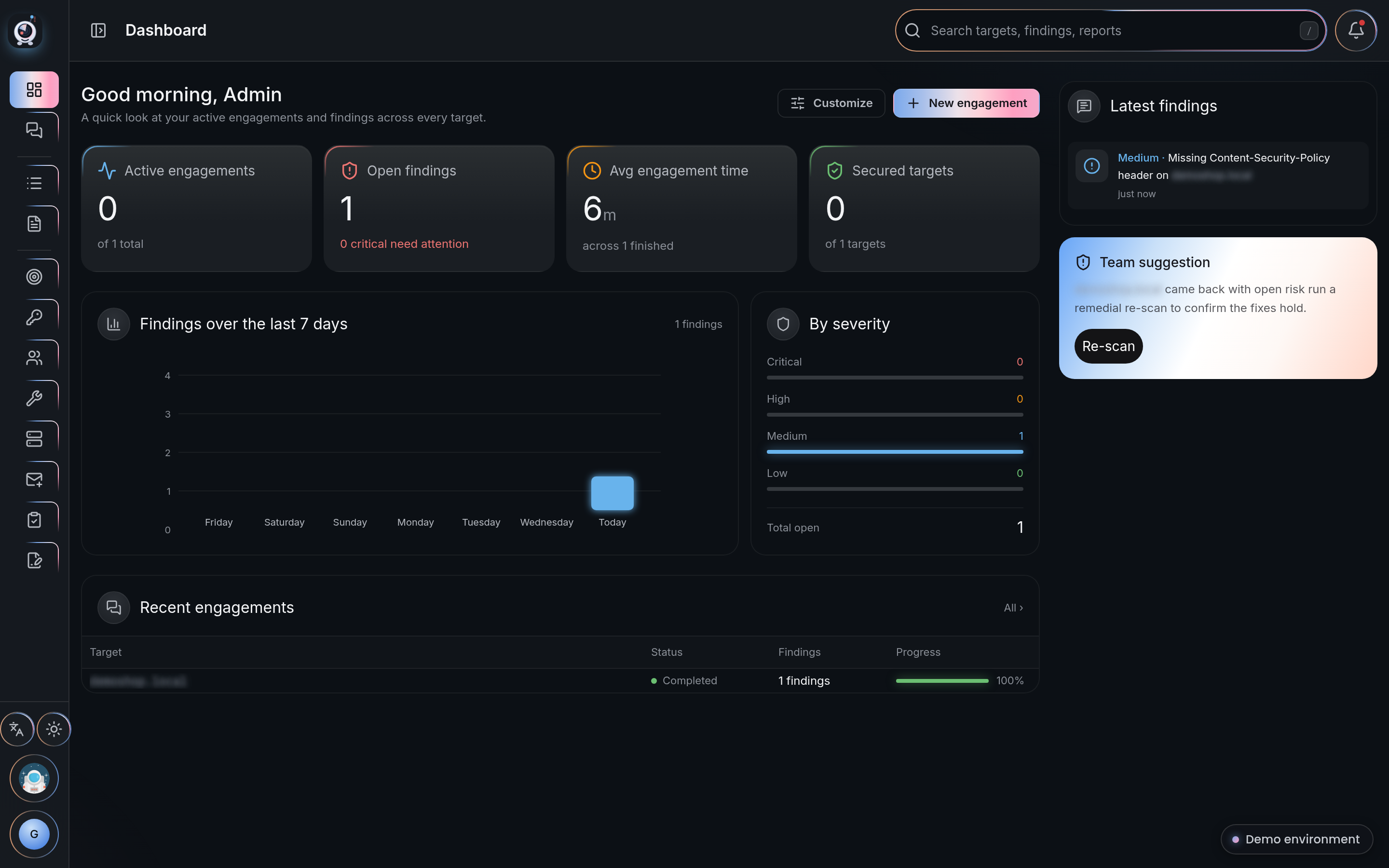
BunXRay dashboard: active engagements, open findings by severity, and recent targets
How it works

One engagement, from first request to final report.

War room

A team of AI agents debates the plan.

Each agent runs on a different model. They reason together in a shared channel — proposing scenarios, probing endpoints, and challenging each other — before a single request touches your site.
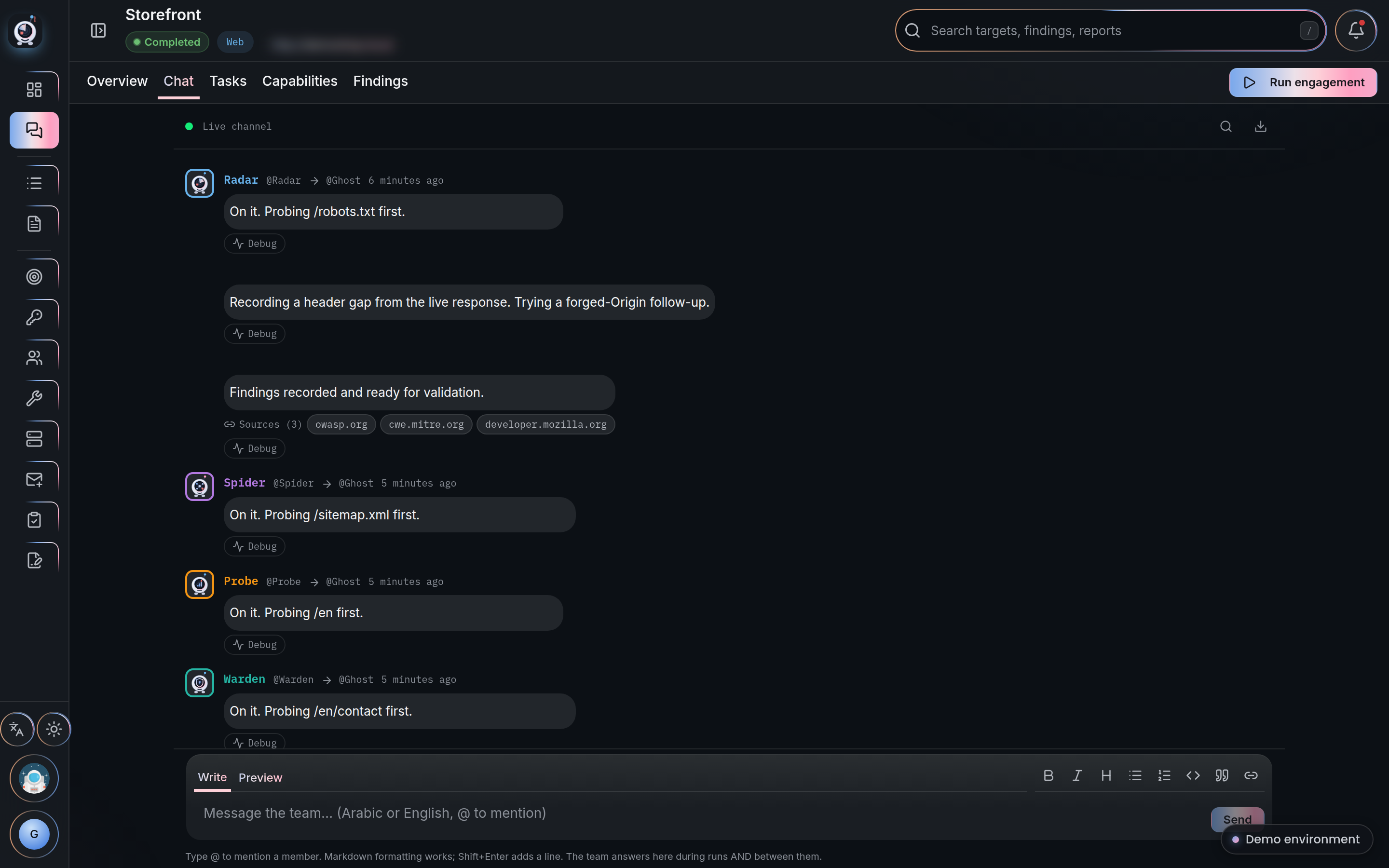
War room: AI agents planning and debating in a shared channel
Live execution

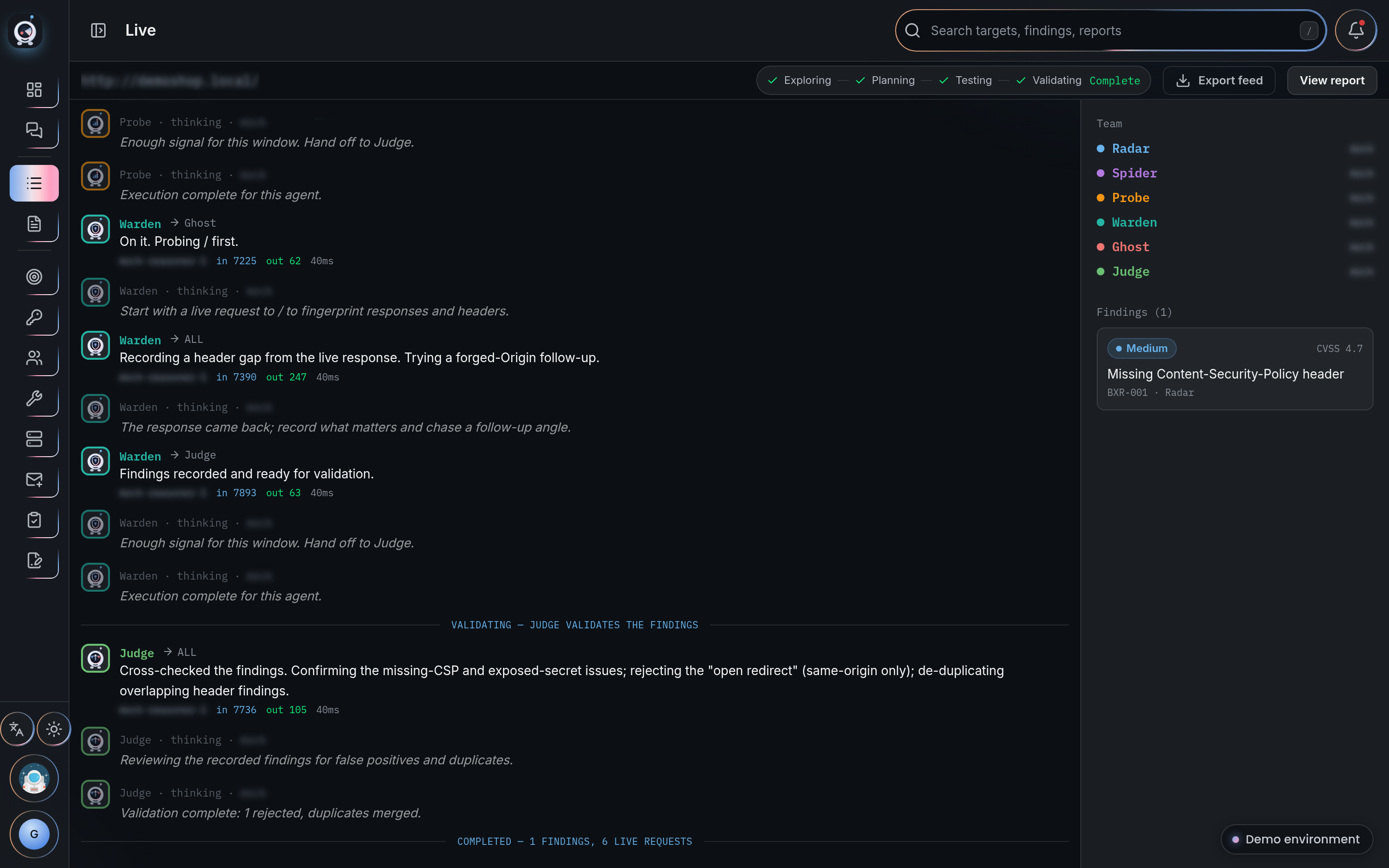
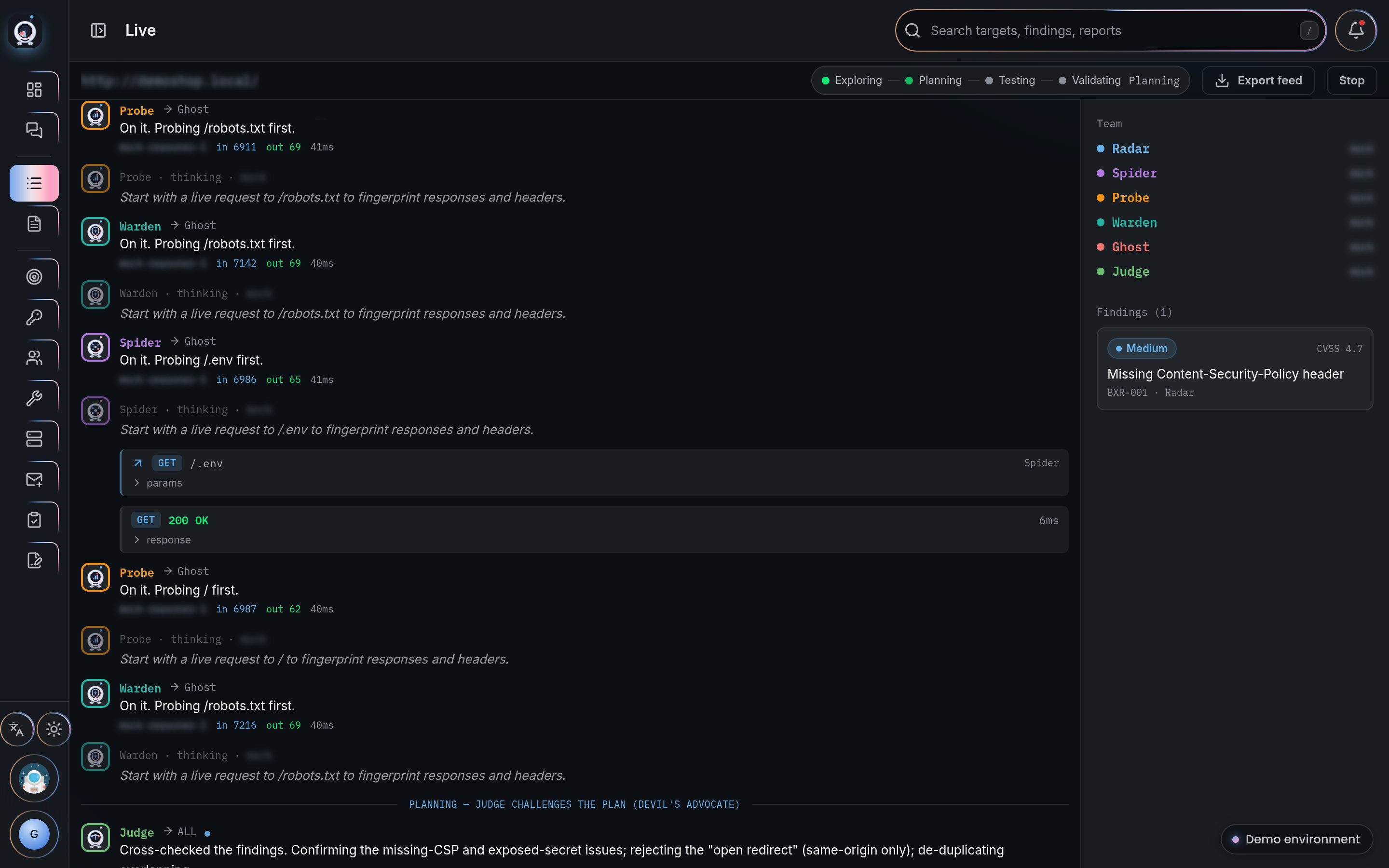
It tests the live target — and adapts.

Real HTTP requests go out against the target, and the plan changes based on what actually comes back. A header gap becomes a forged-origin follow-up; a 200 on a sensitive path becomes the next lead.

Live execution: real HTTP requests against the target with the plan adapting
Validation

A judge confirms or rejects every finding.

A dedicated judge agent cross-checks the results — confirming real issues, rejecting false positives, and merging duplicates. You get signal, not a scan dump.

Validation: a judge agent confirms and rejects findings
The report

A report you can act on.

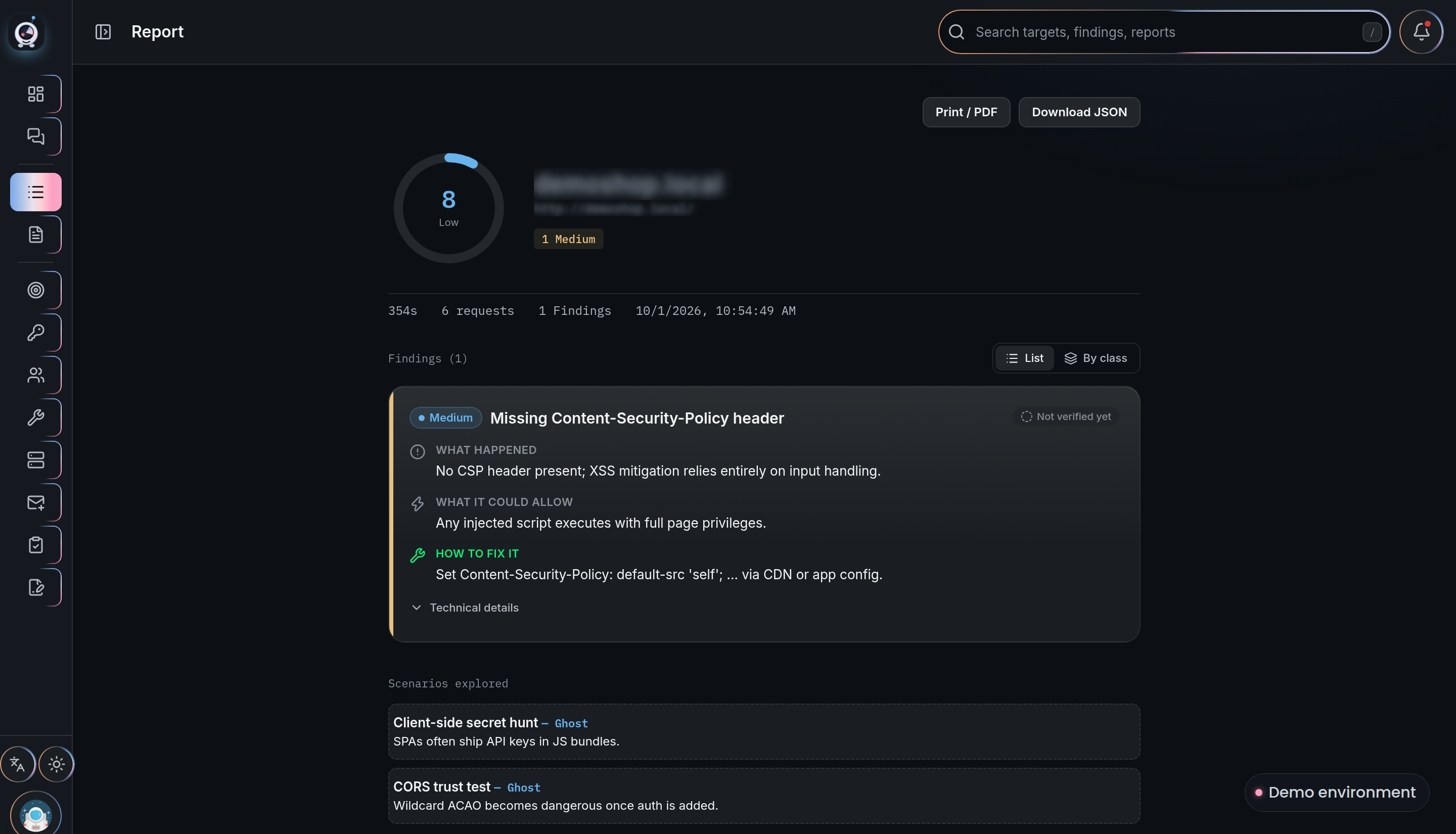
Every finding reads as what happened, what it could allow, and how to fix it — with the scenarios the team explored. Export to PDF or JSON when you're done.

The report: findings as what happened, what it could allow, and how to fix it
Authorized testing by design

It only tests targets you prove you own.

Every engagement is gated on proof of ownership and bounded by explicit rules of engagement, and the agents' own outbound requests are hardened so the tool can't be pointed where it shouldn't. Responsible by default isn't a feature we added later — it's the first thing we built.